

The Forex Trading Tools Every Serious Trader Should Master in 2026
A working toolkit matters more than any single indicator. Here is how position-size calculators, economic calendars, and journaling software fit together into a repeatable process.
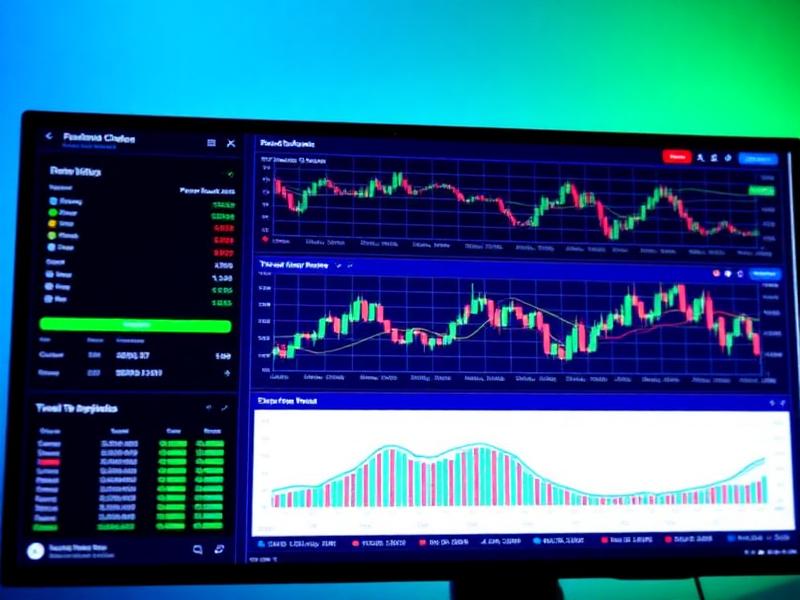
Most traders spend their energy hunting for the perfect indicator. The traders who last spend it building a process — and a process is only as reliable as the tools that support it. This guide walks through the categories of tools that actually change outcomes, and how they connect.
Position sizing comes before everything
No tool matters if a single trade can wipe out a month of gains. A position-size calculator turns a fixed-percentage risk rule into a concrete lot size for the pair and stop distance in front of you. Decide the percentage of your account you are willing to lose on one idea, feed in your entry and stop, and let the calculator do the arithmetic so emotion never sets your size.
Read the calendar before you read the chart
Price does not move in a vacuum. An economic calendar tells you when scheduled volatility is coming — central-bank decisions, inflation prints, employment data — so you are never blindsided by a spike that had nothing to do with your setup.
- Filter by currency so you only see events that touch the pairs you trade.
- Note the difference between forecast and previous; the surprise is what moves price.
- Treat the minutes around a high-impact release as a spread-widening zone, not an entry.
Charting is where analysis actually happens
Your charting package is the tool you touch most, so it should get out of your way. What matters is clean rendering across timeframes, dependable drawing tools, and alerts that reach you when a level is hit. Everything else is preference.
- Confirm the platform's data matches your broker's feed.
- Set price alerts instead of watching the screen all day.
- Keep one clean template; resist stacking a dozen indicators.
The tool nobody wants: a trading journal
A journal is the least glamorous tool and the one that compounds fastest. Logging every trade — the reason for entry, the size, the emotion, the result — turns scattered experience into a searchable record of what your edge actually is. Without it, you repeat the same mistake and call it bad luck.
Tools do not make a trader profitable. A disciplined process does, and the right tools are what make that process repeatable when the market is loud and your conviction is low. Start with sizing, respect the calendar, keep your charts clean, and write everything down.
This article is for information and education only and is not financial, investment, or trading advice. Trading carries risk and you can lose money.
- trading tools
- risk management
- trading platforms
- education
Related coverage
- ArticleTrading
Top Trading Strategies for Navigating Volatile Markets in 2026
Market volatility can create opportunities and risks in equal measure. Here are the most effective trading strategies for navigating volatile conditions in 2026.
- ArticleTrading
Leverage Trading in 2026: Understanding the Risks and Rewards
Leverage trading amplifies both gains and losses. This comprehensive guide explains how leverage works and how to use it responsibly in today's markets.
- ArticleTrading
Scalping vs Swing Trading: Which Style Suits You Best in 2026
Choosing between scalping and swing trading depends on your personality, time commitment, and goals. This comparison helps you decide which approach fits your style.